
From Meridian to Reiner Neue
A typographic system across time
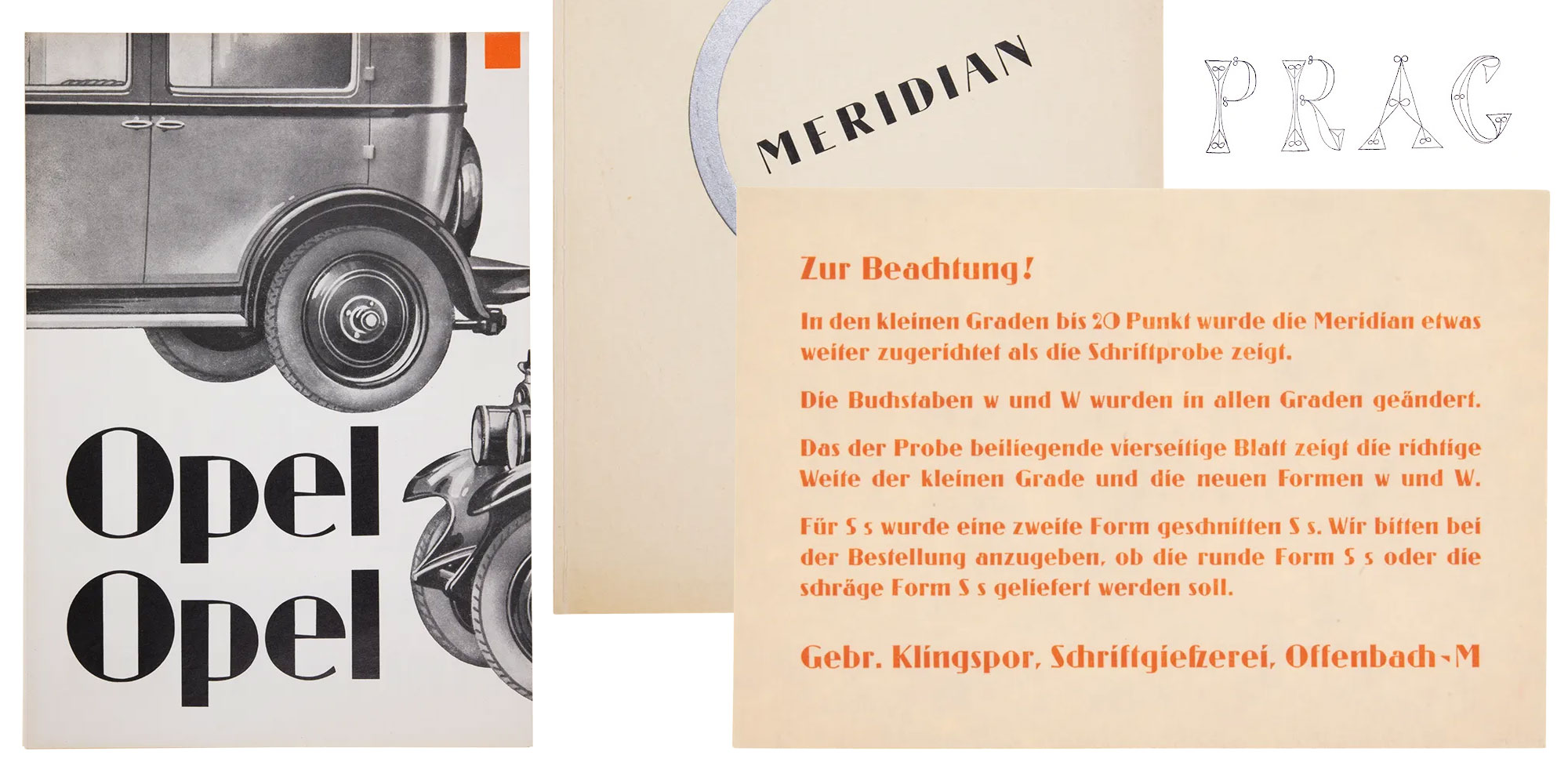
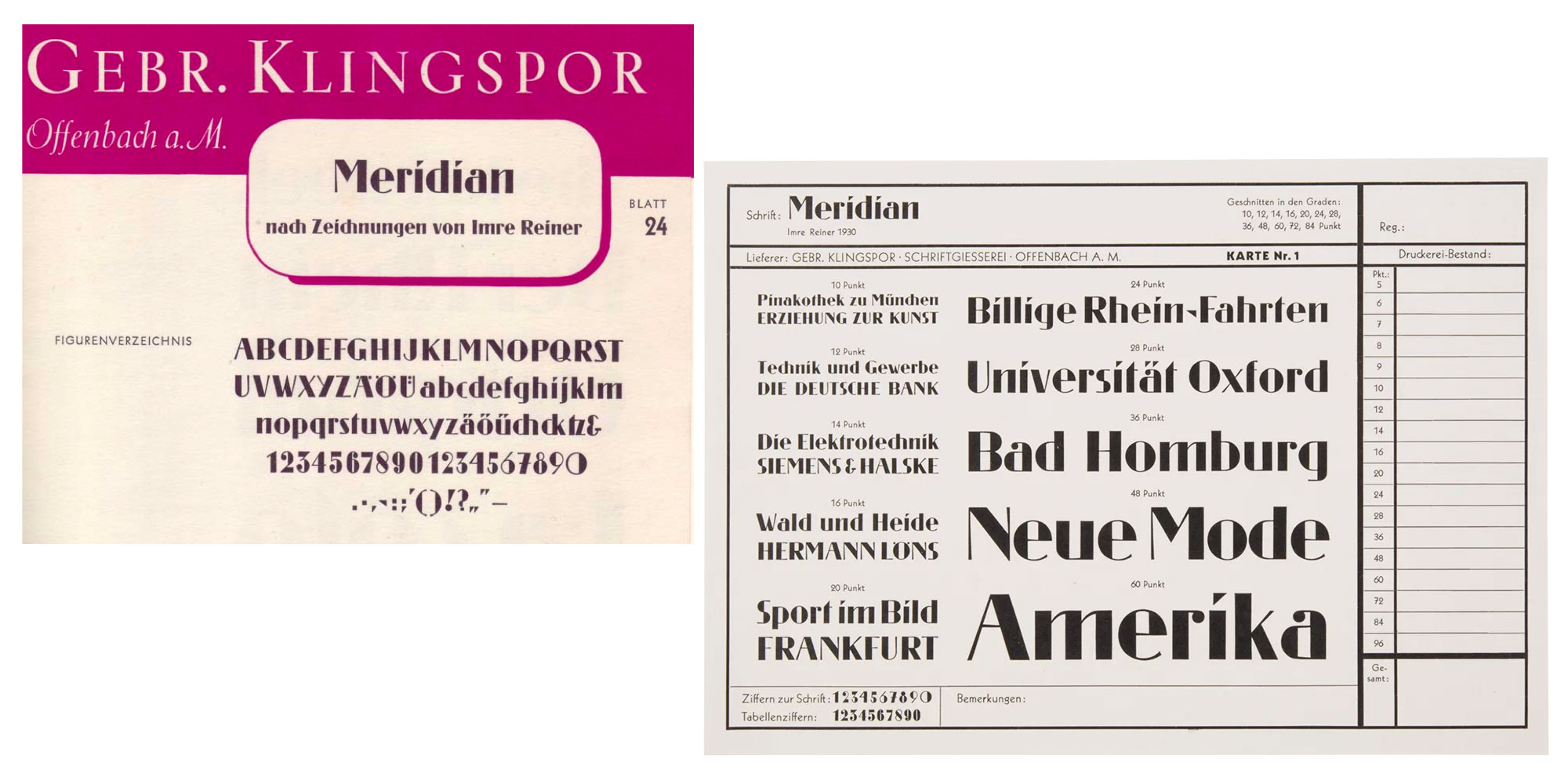
Imre Reiner’s Meridian, designed in the early 1930s, belongs to a moment when typography was redefining its own role. Functional thinking had already taken hold — Jan Tschichold’s Die neue Typographie and Paul Renner’s Futura were reshaping visual culture — yet Meridian stood slightly apart. It was a linear, sans-serif antiqua, clearly aligned with modernist clarity, but carrying a distinct artistic tension in its proportions and internal rhythm.
Commissioned by the Klingspor foundry in Offenbach, Meridian found early application in German industrial and advertising contexts, including automotive catalogues of the era. These were not display experiments, but working typographic environments — brochures, announcements, and printed matter where form and function had to coexist. Meridian’s strength was precisely this balance: structural discipline paired with an unmistakable graphic presence.
What makes Meridian interesting today is not nostalgia, but attitude. Its letterforms are not neutral. Strokes carry weight unevenly, counters feel charged, and proportions subtly resist standardization. In hindsight, Meridian feels less like a finished system and more like a snapshot of a typographic mindset — modern, but still expressive.
Reiner Neue: not a revival
Reiner Neue does not attempt to revive Meridian. Instead, it asks a different question:
What happens if those proportions, that rhythmic tension, are reintroduced into a contemporary typographic system?
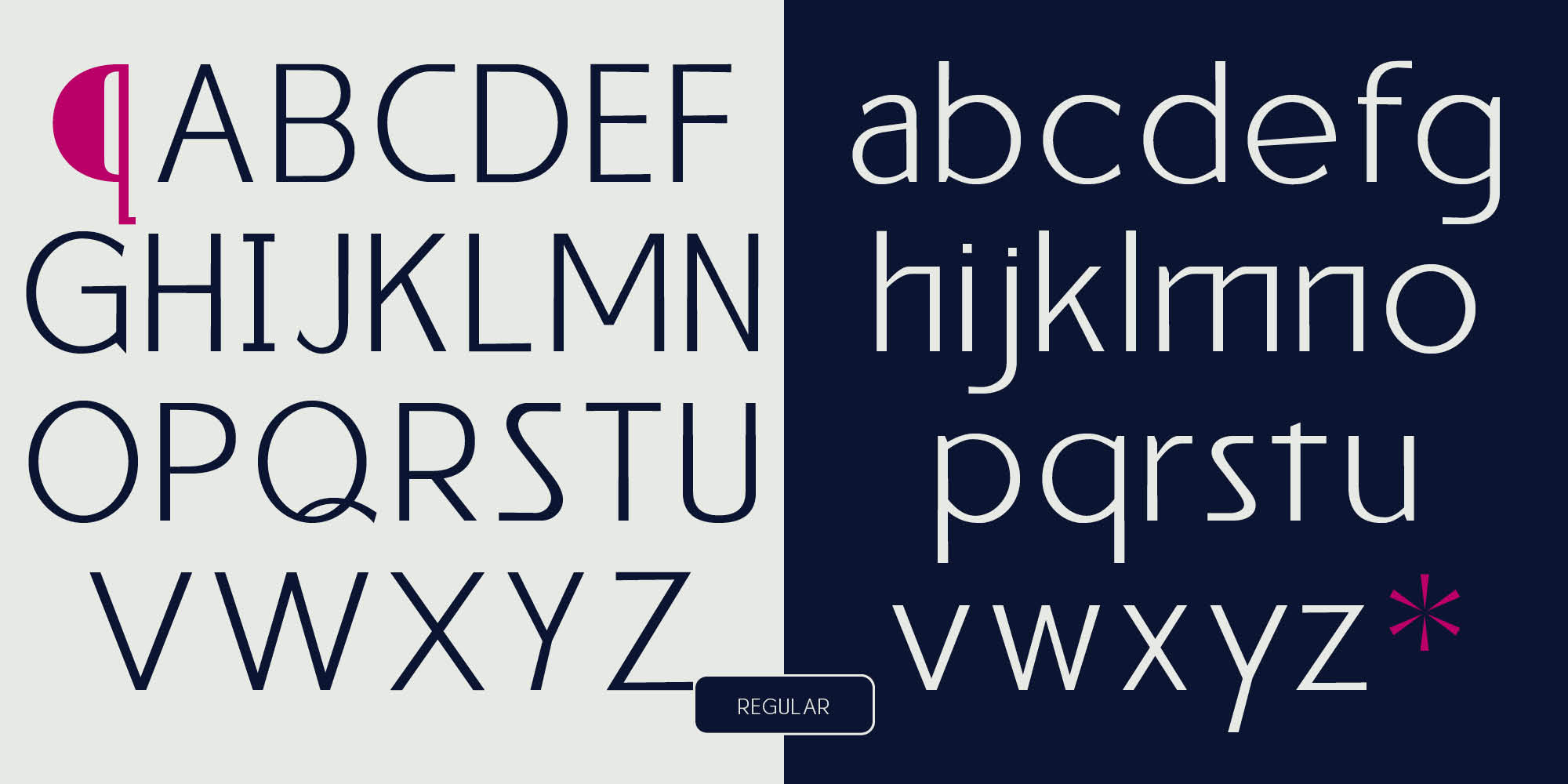
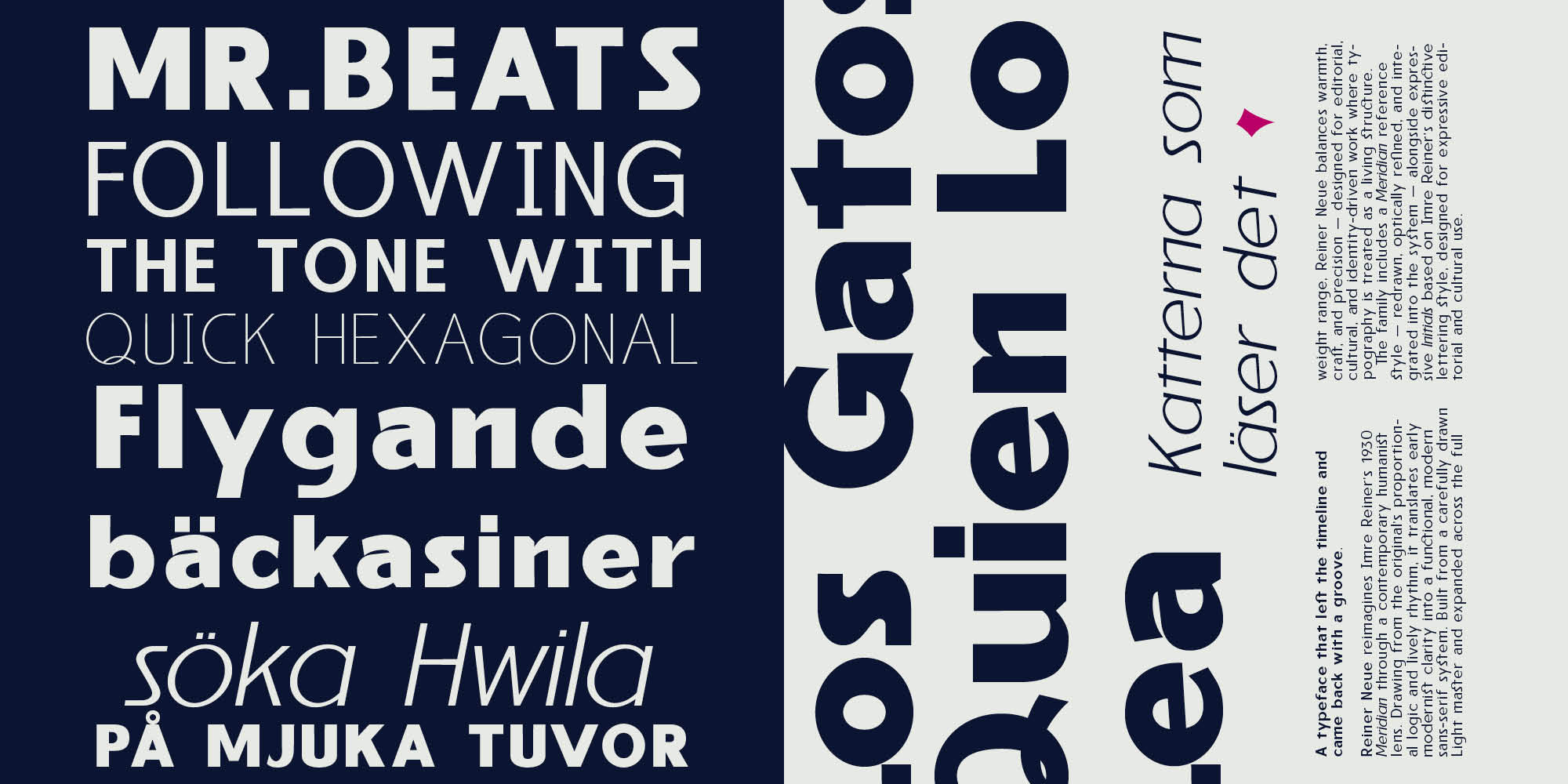
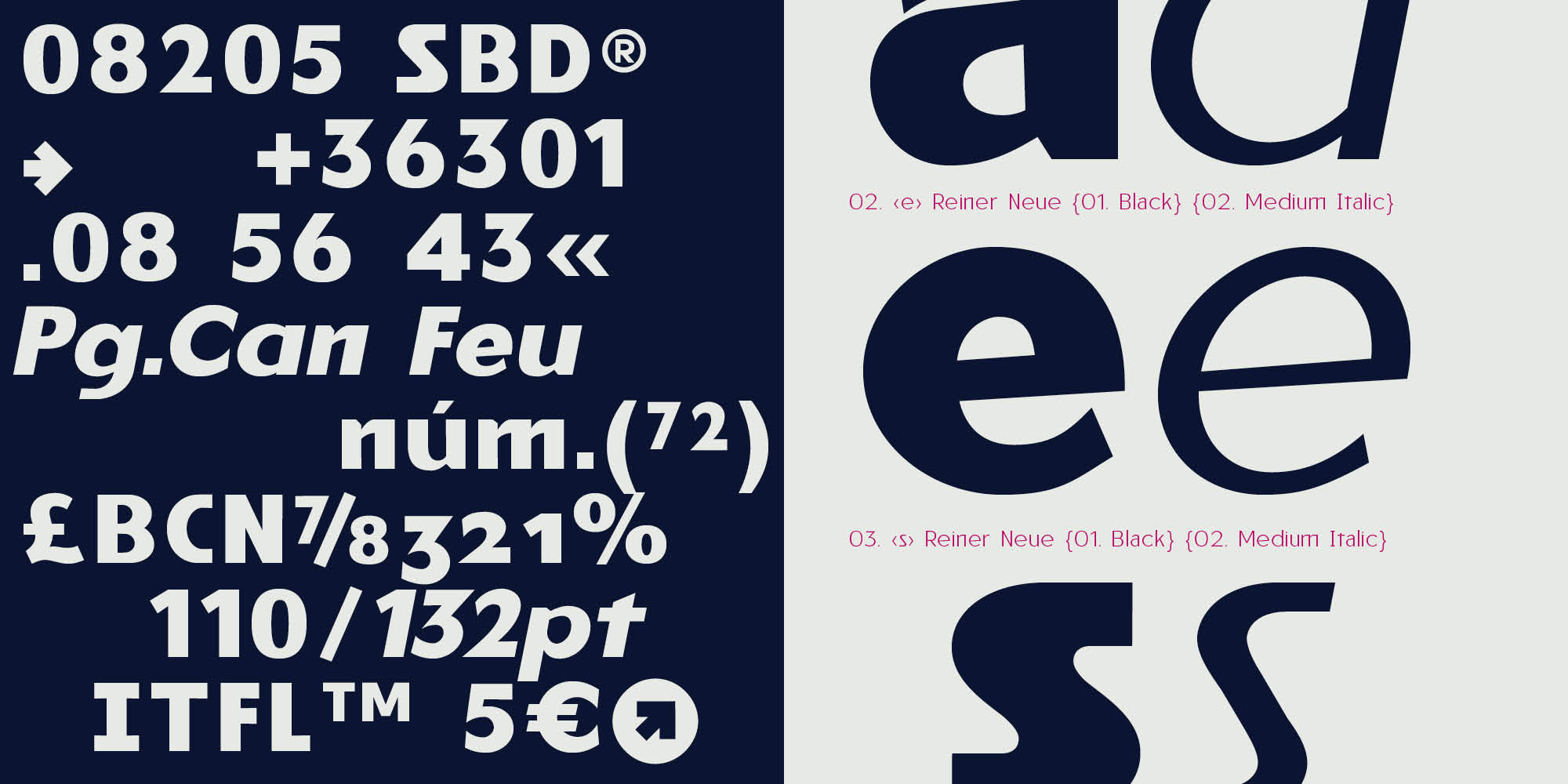
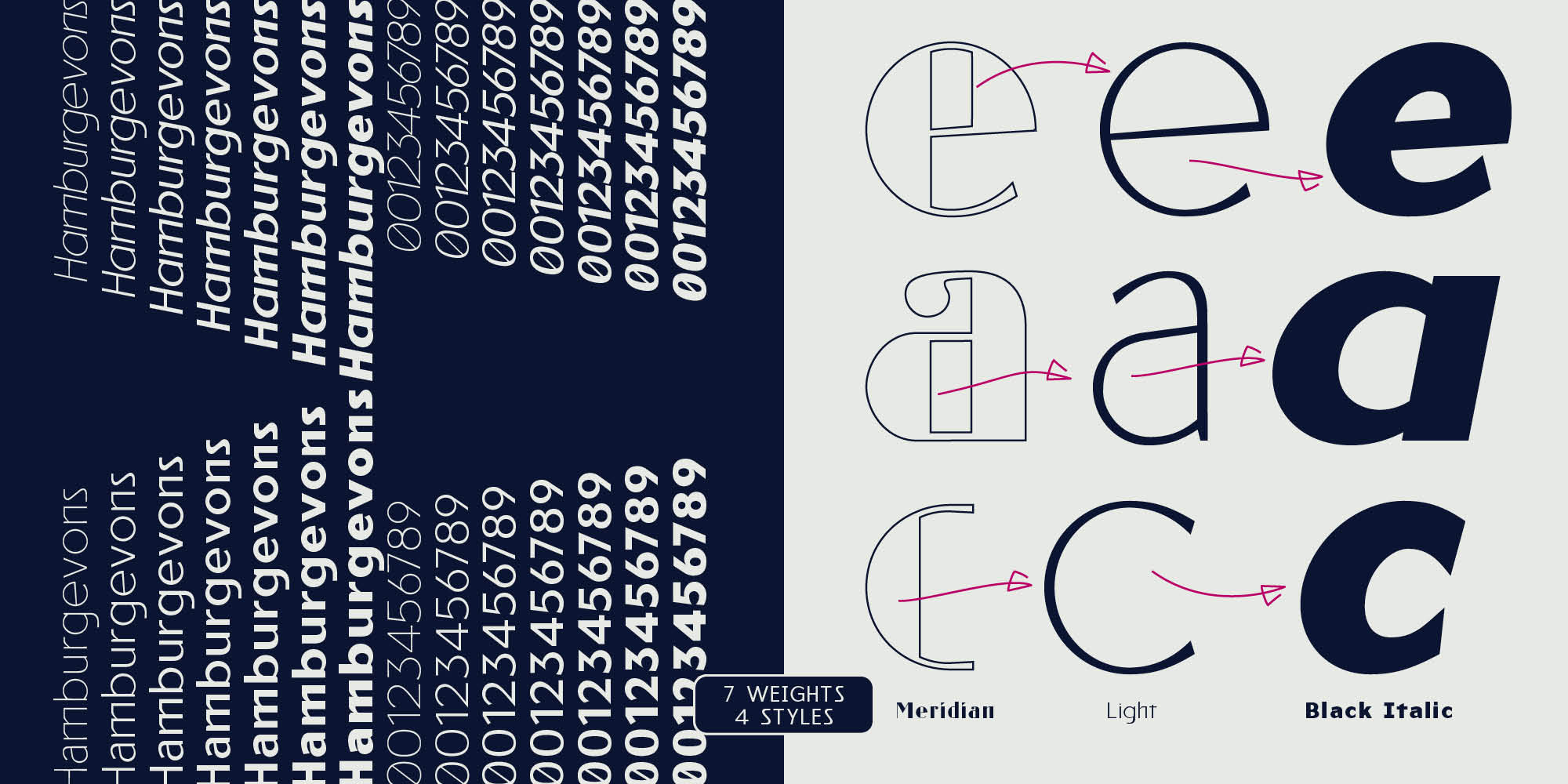
Rather than starting from the original drawings, Reiner Neue was built as a modern humanist sans-serif family, beginning with a Light master and carefully expanded across the weight spectrum. Decisions were driven by usability, optical balance, and contemporary reading habits — while allowing echoes of Reiner’s early modernist thinking to surface in structure rather than ornament.
The result is a typeface designed for today’s environments: editorial layouts, branding systems, and digital interfaces — a system that values clarity, but avoids neutrality. Reiner Neue treats typography as a living structure: something that adapts, evolves, and remains expressive without becoming decorative.
Companion pieces within a system
Alongside the core family, two related works were developed to extend the typographic language.
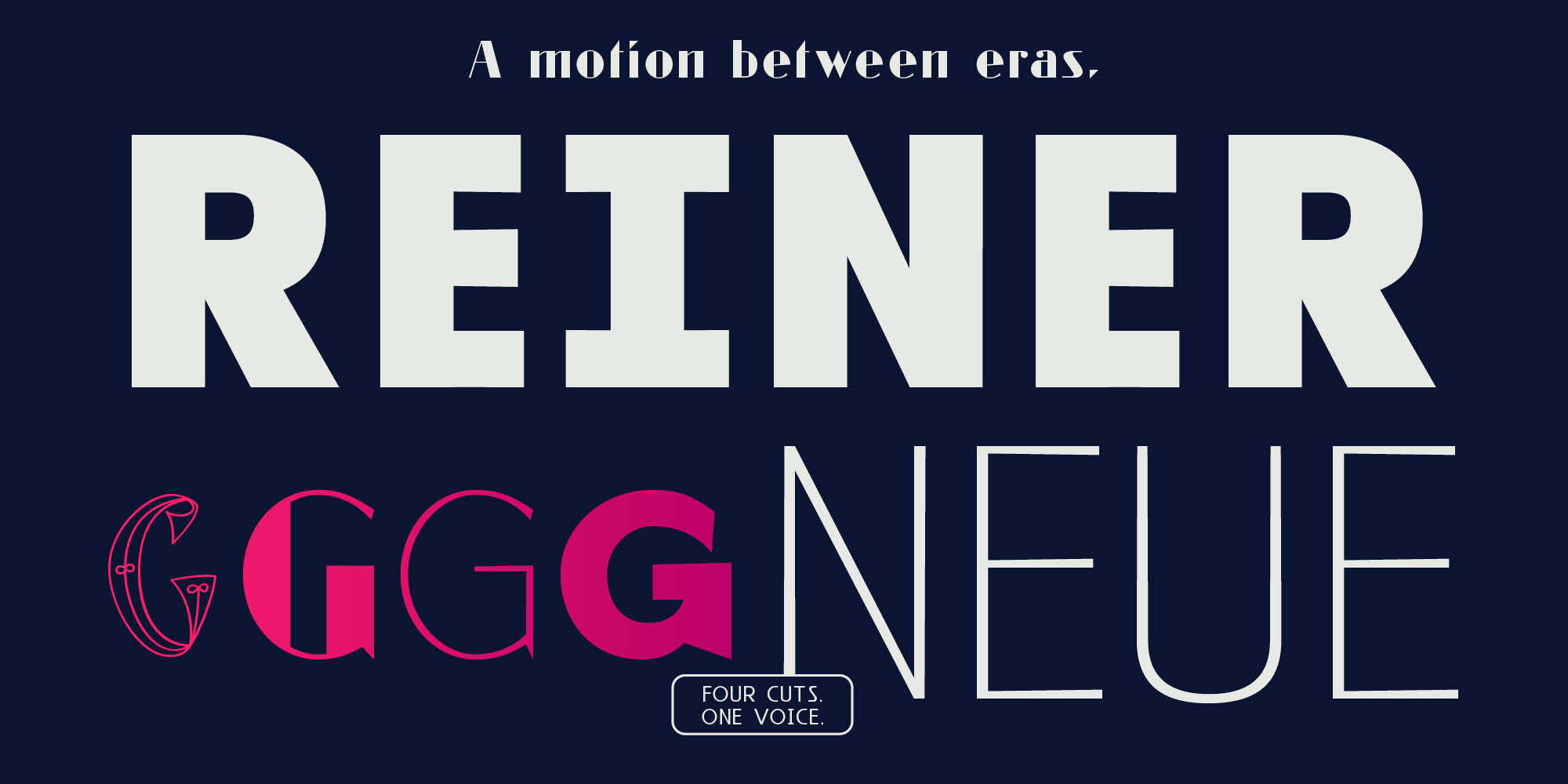
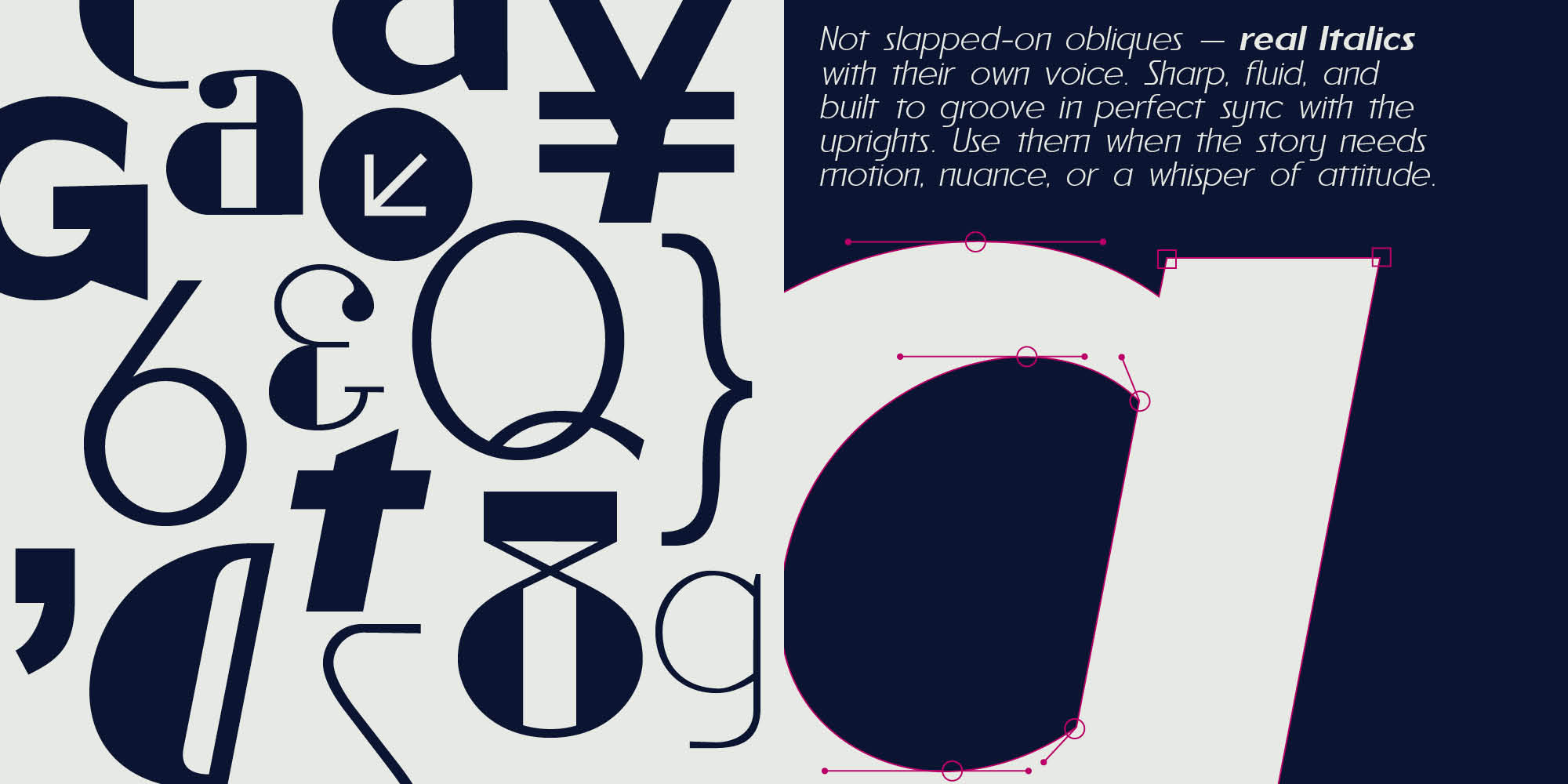
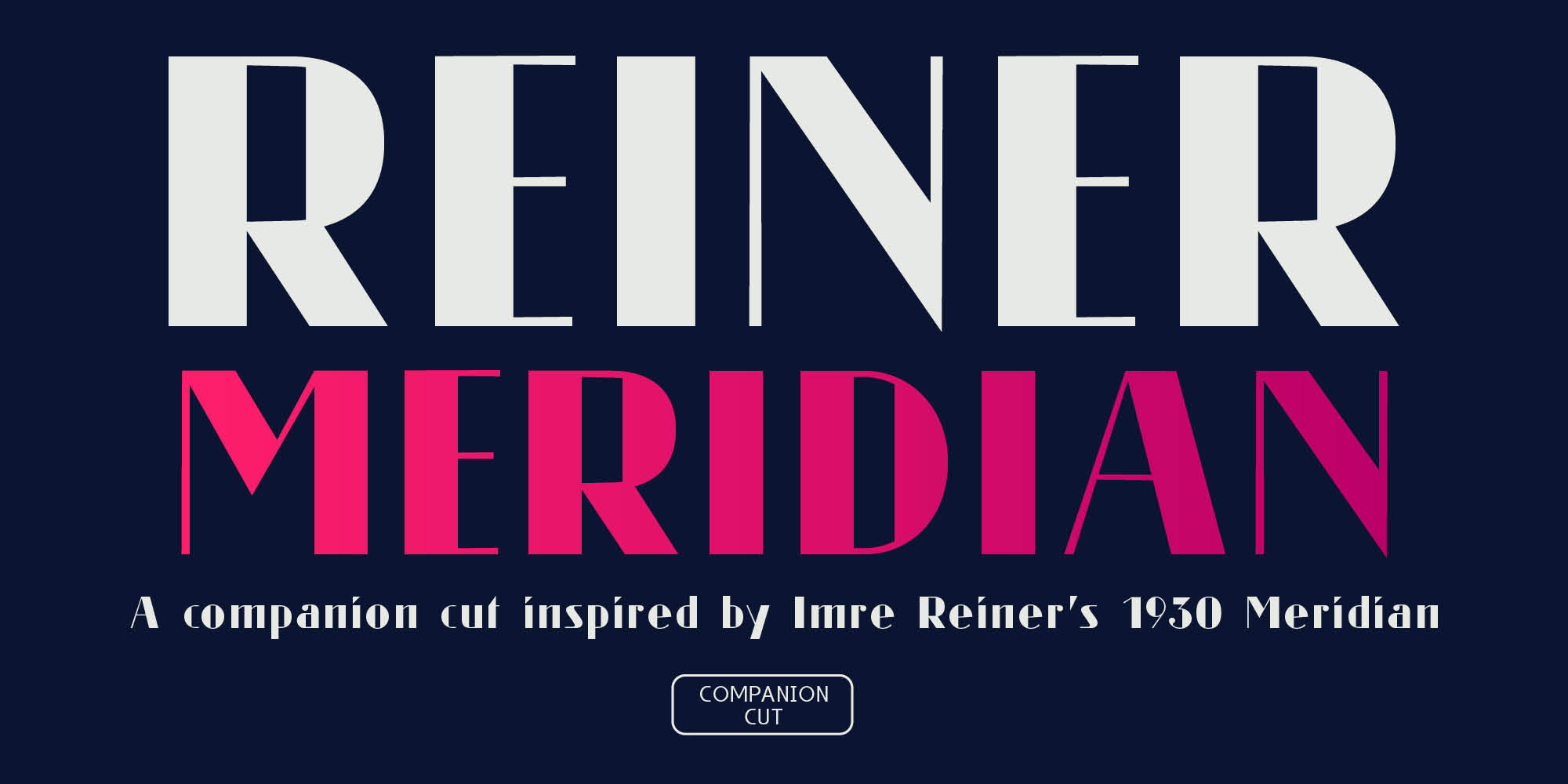
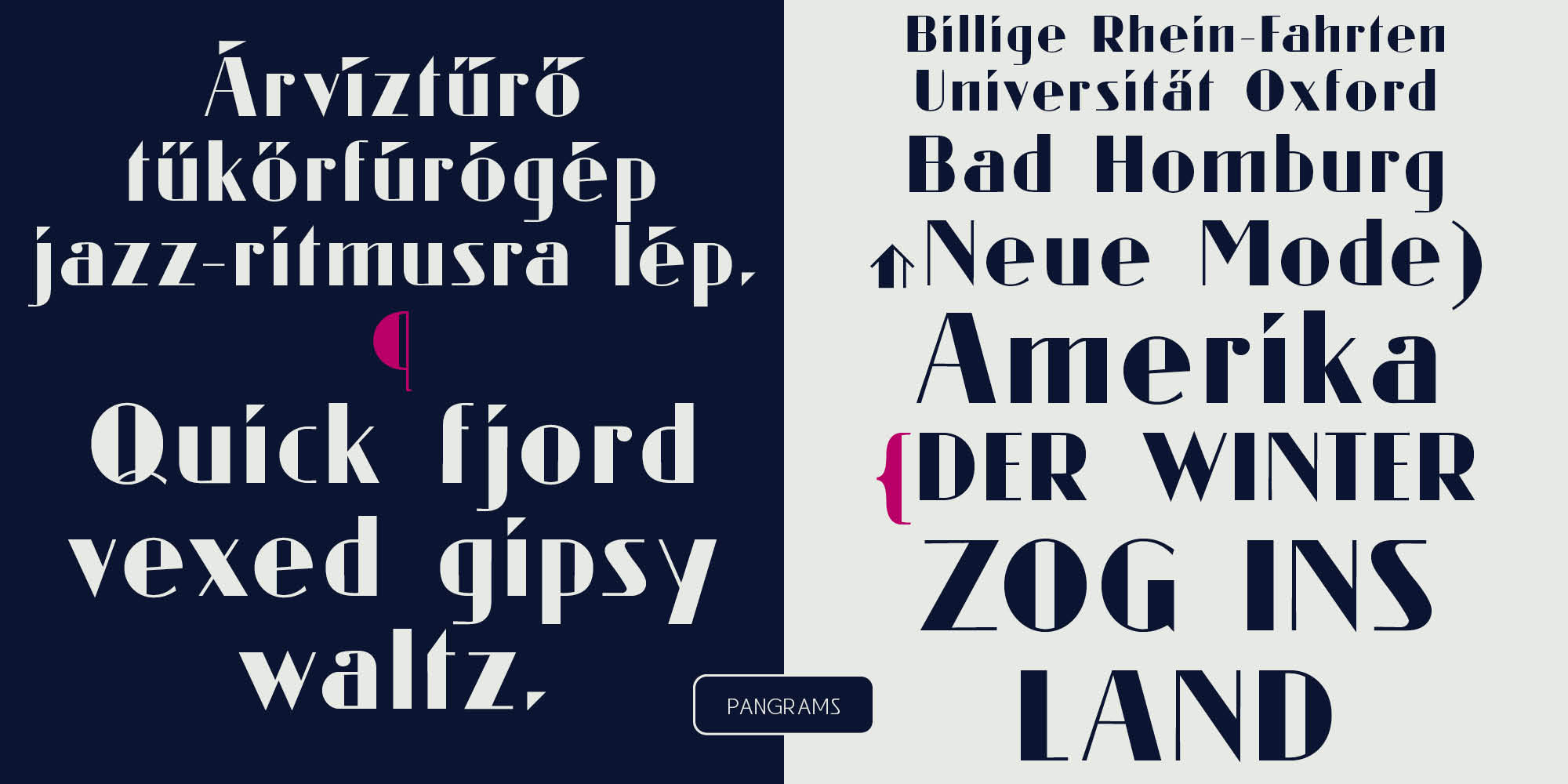
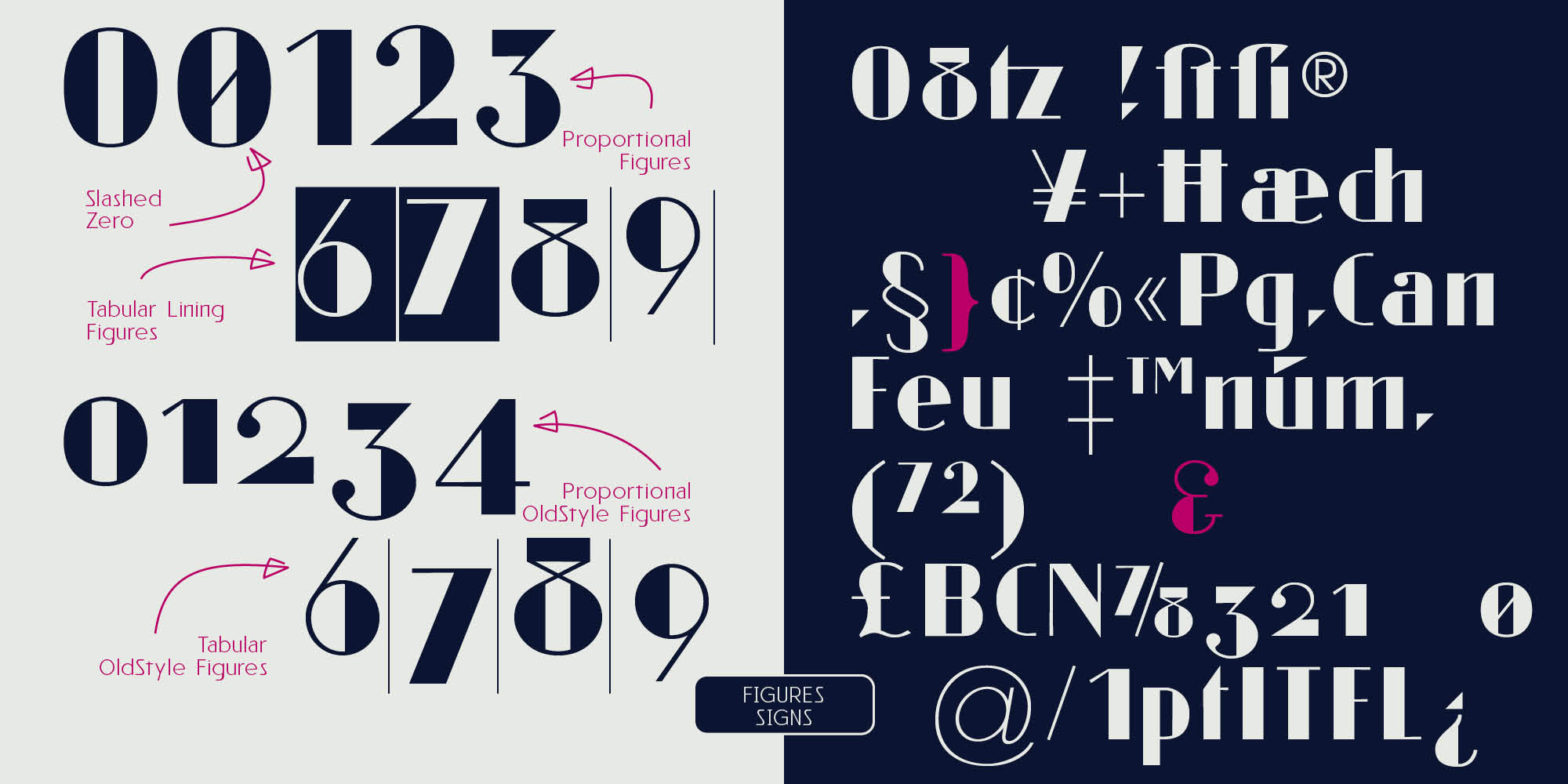
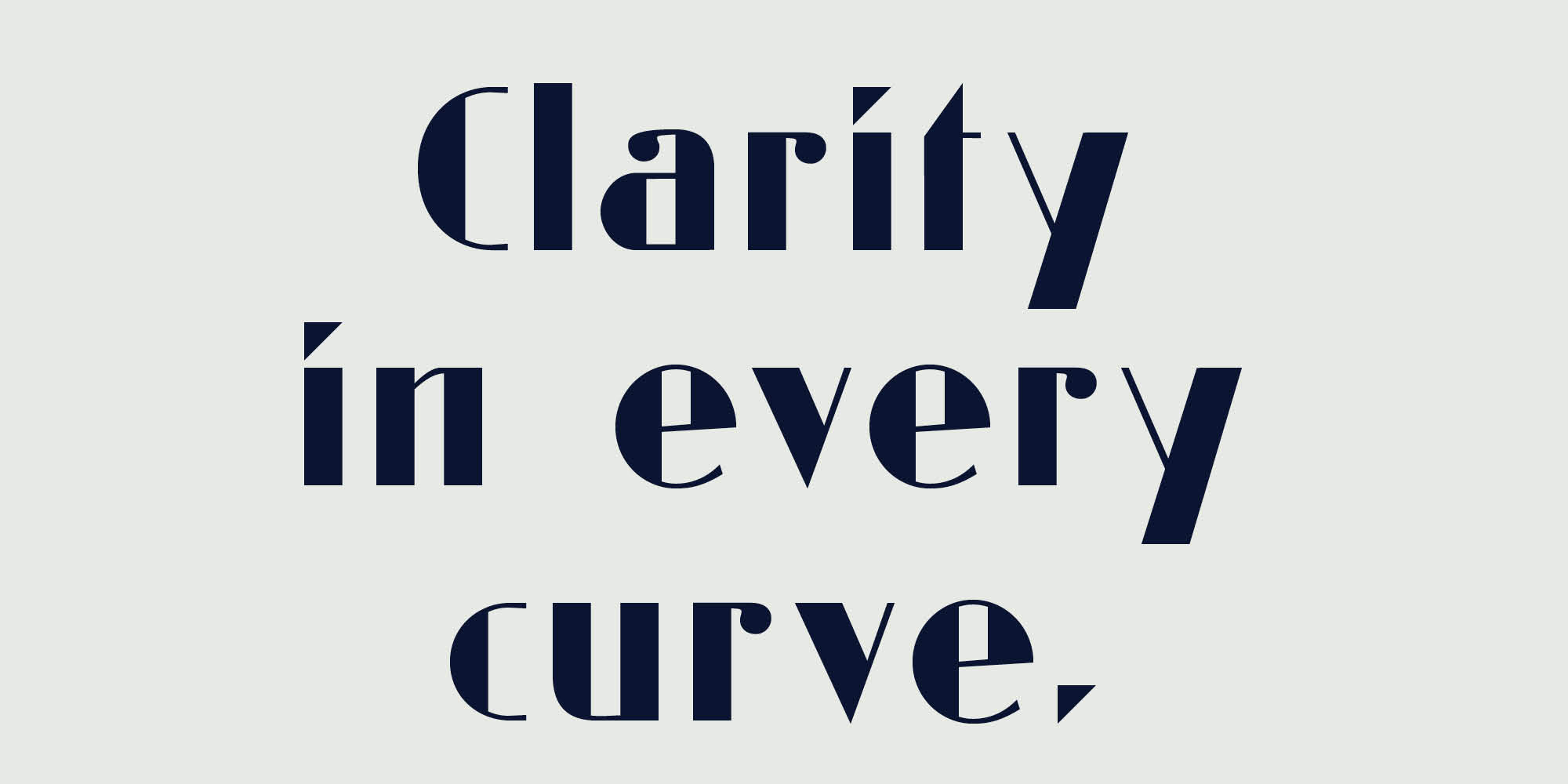
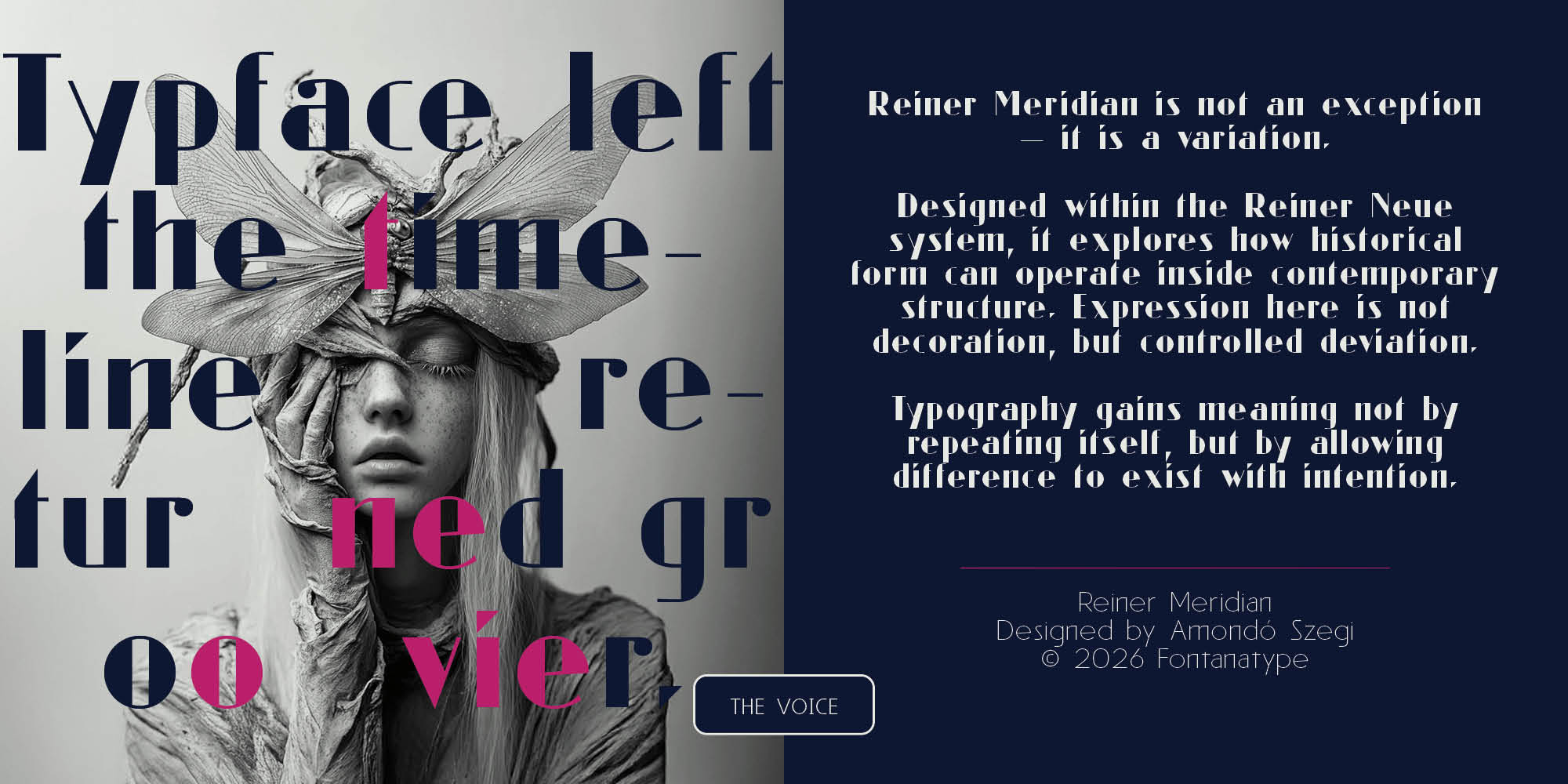
Reiner Neue Meridian is a single companion cut that revisits the expressive logic of the original Meridian. It is not positioned as a historical artifact, but as a focused typographic voice — intended for moments where form leads: headlines, editorial accents, and typographic contrast. Within the broader Reiner Neue system, Meridian functions as a controlled deviation rather than an exception.
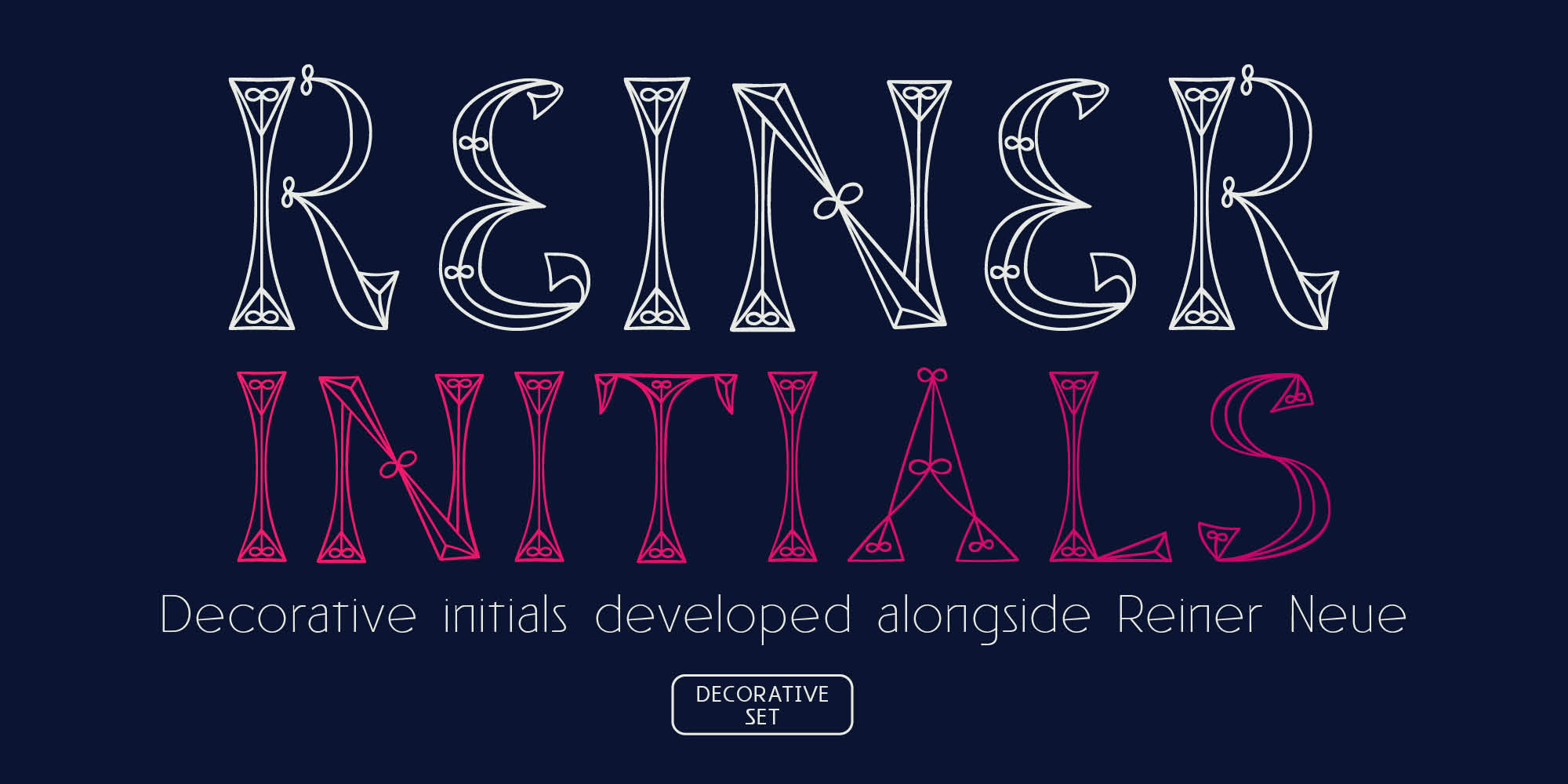
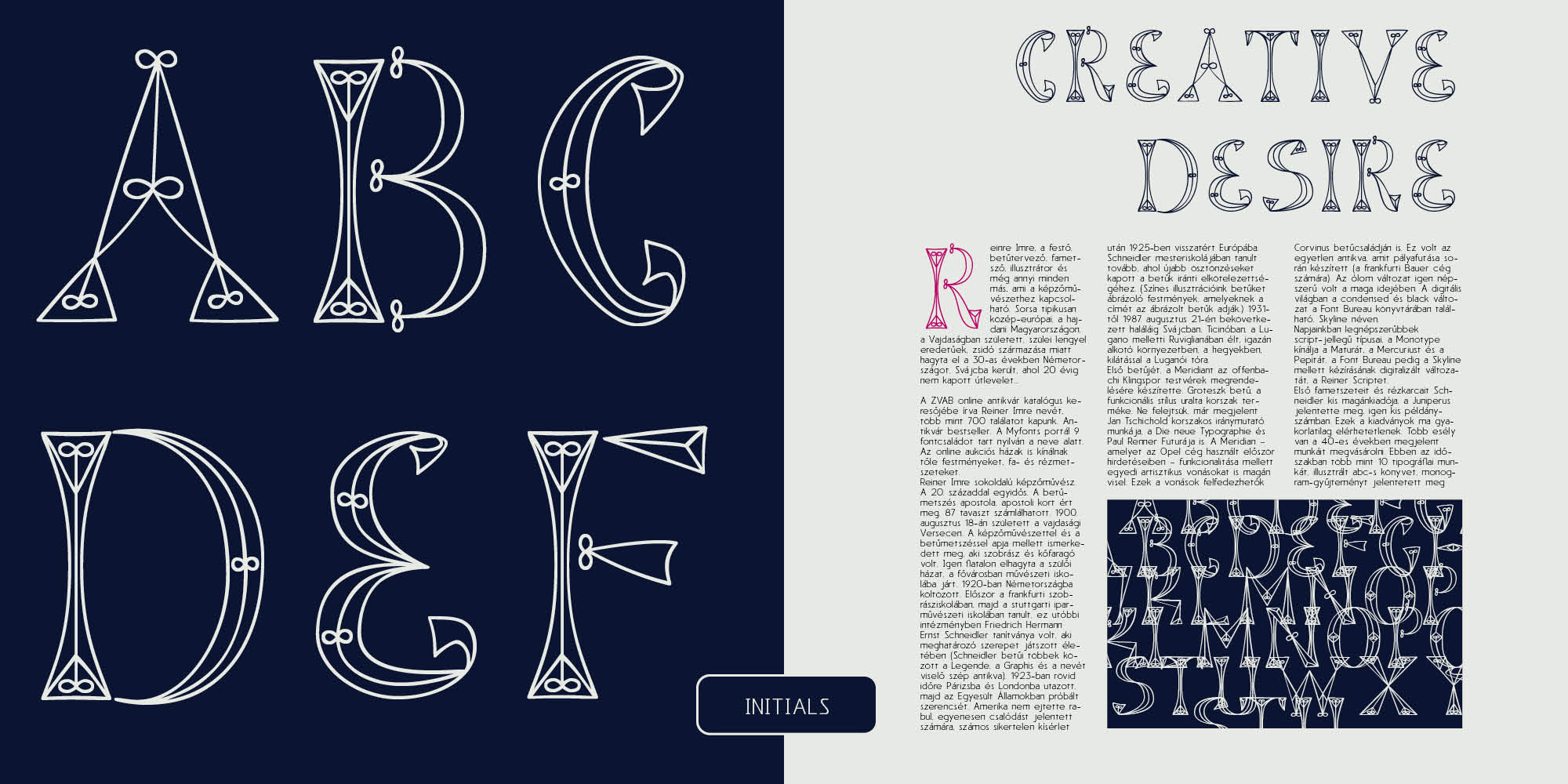
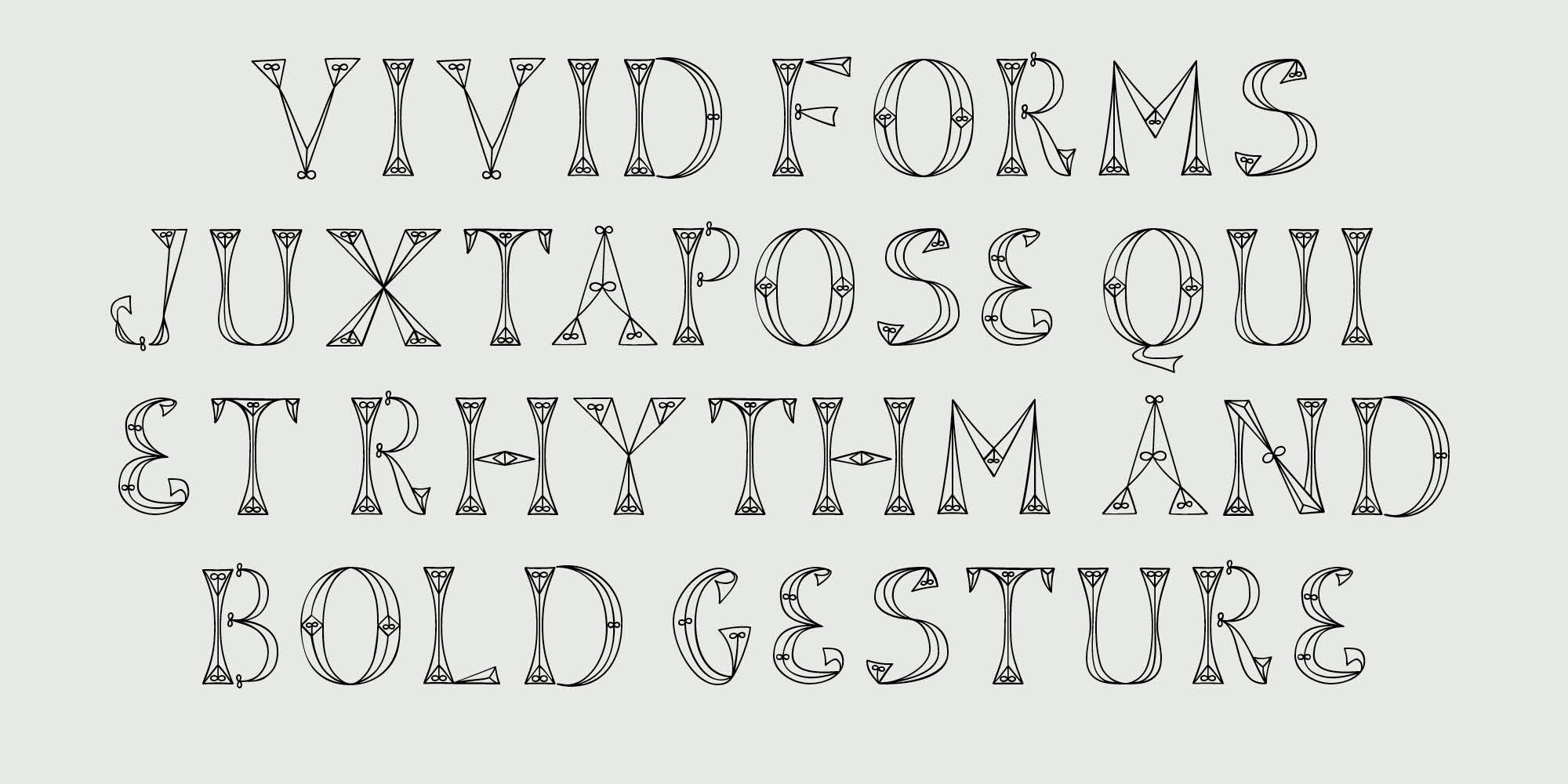
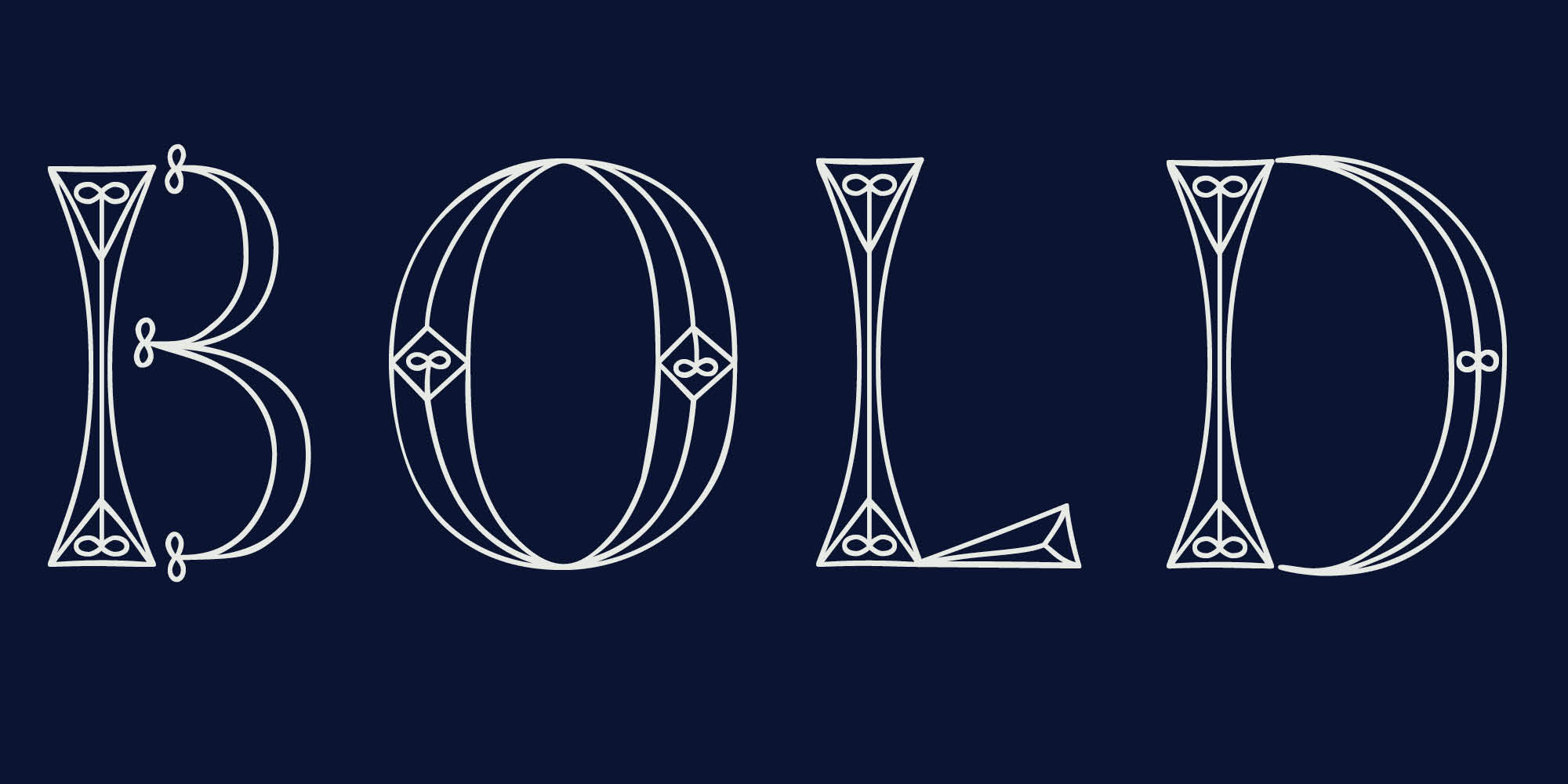
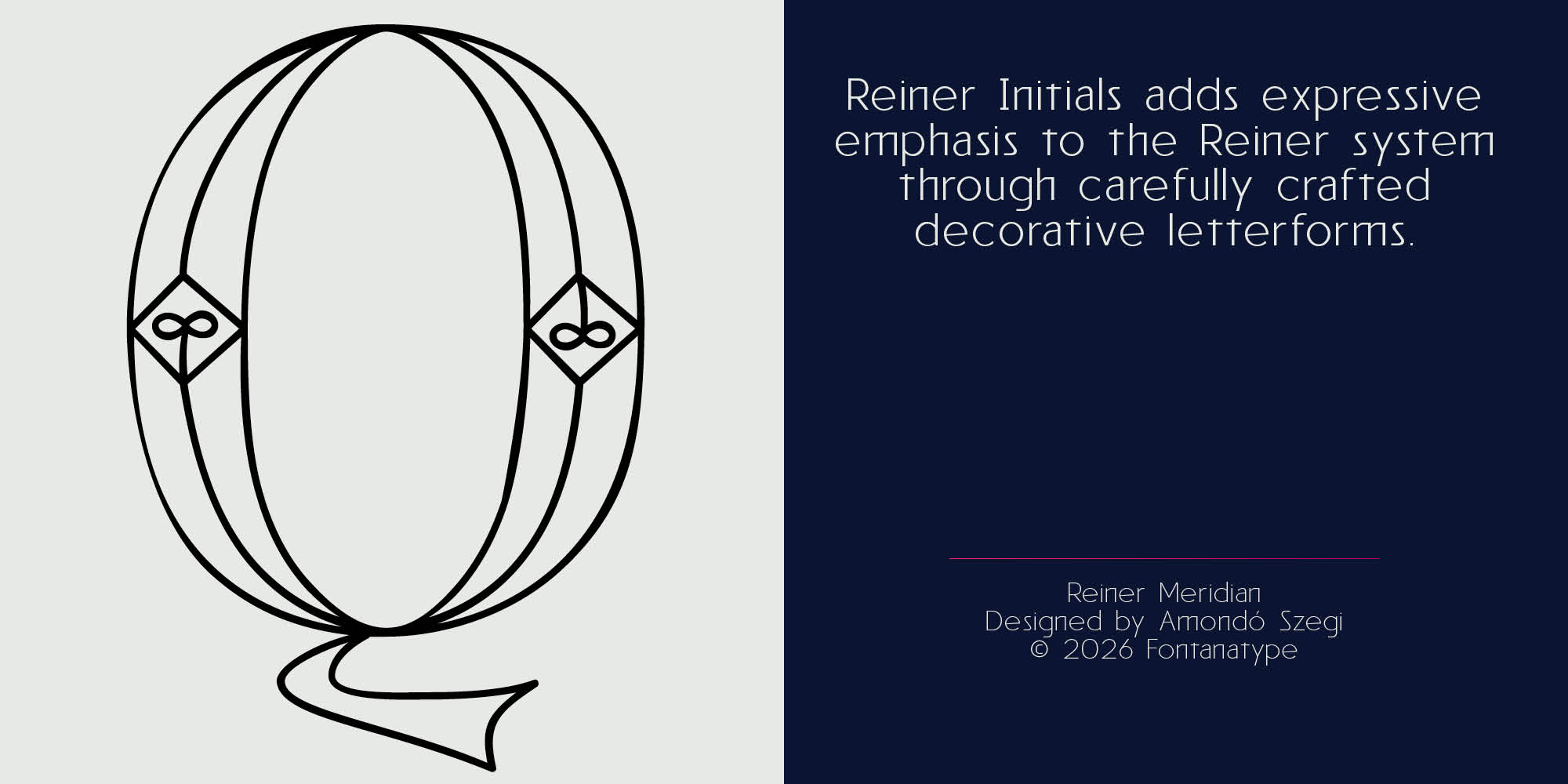
Reiner Neue Initials explores another facet of Imre Reiner’s legacy: expressive lettering. Designed as a decorative set, the initials introduce emphasis and personality while remaining structurally aligned with the core family. They are not standalone display forms, but accents — meant to operate in dialogue with Reiner Neue rather than outside it.
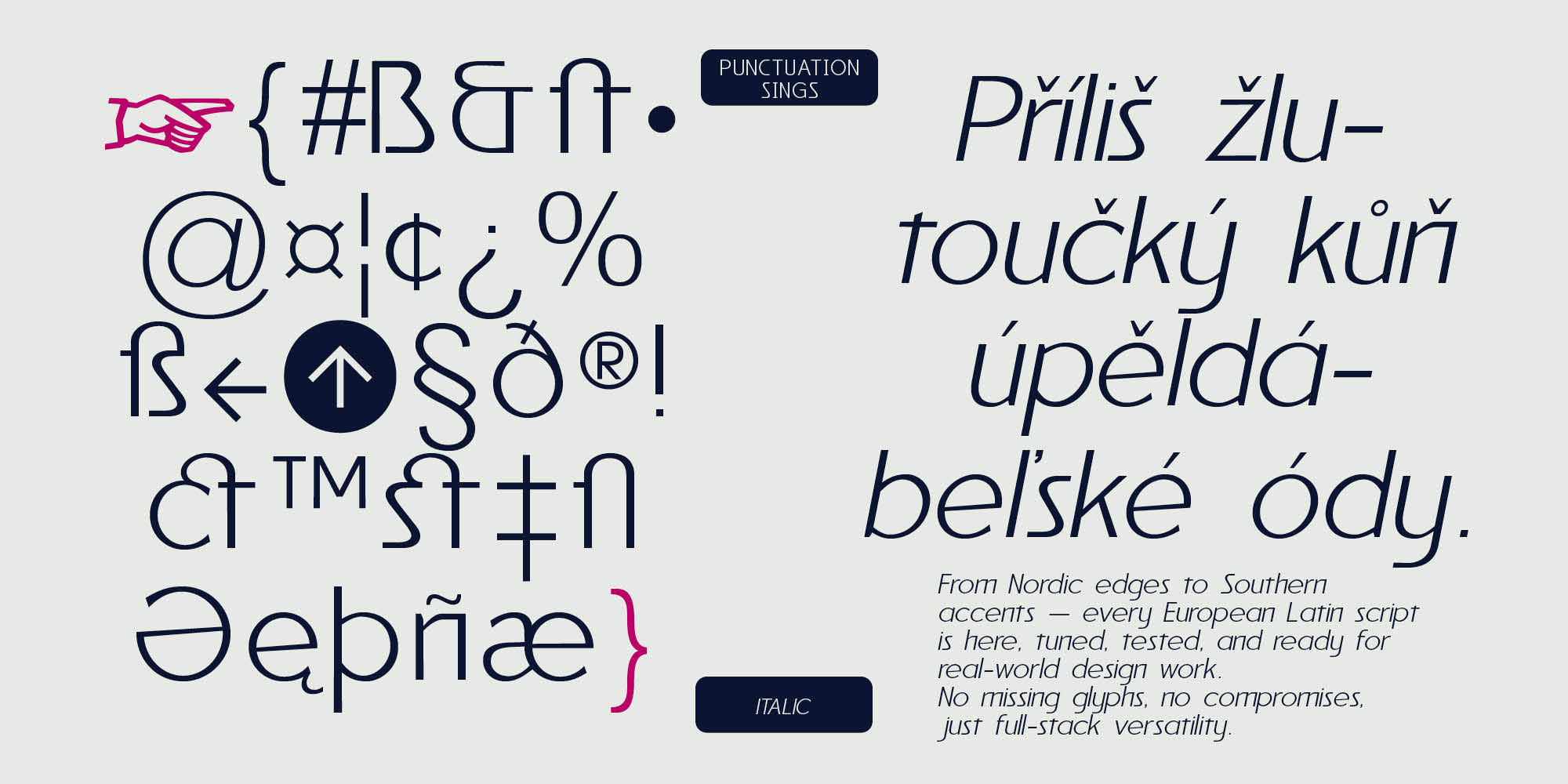
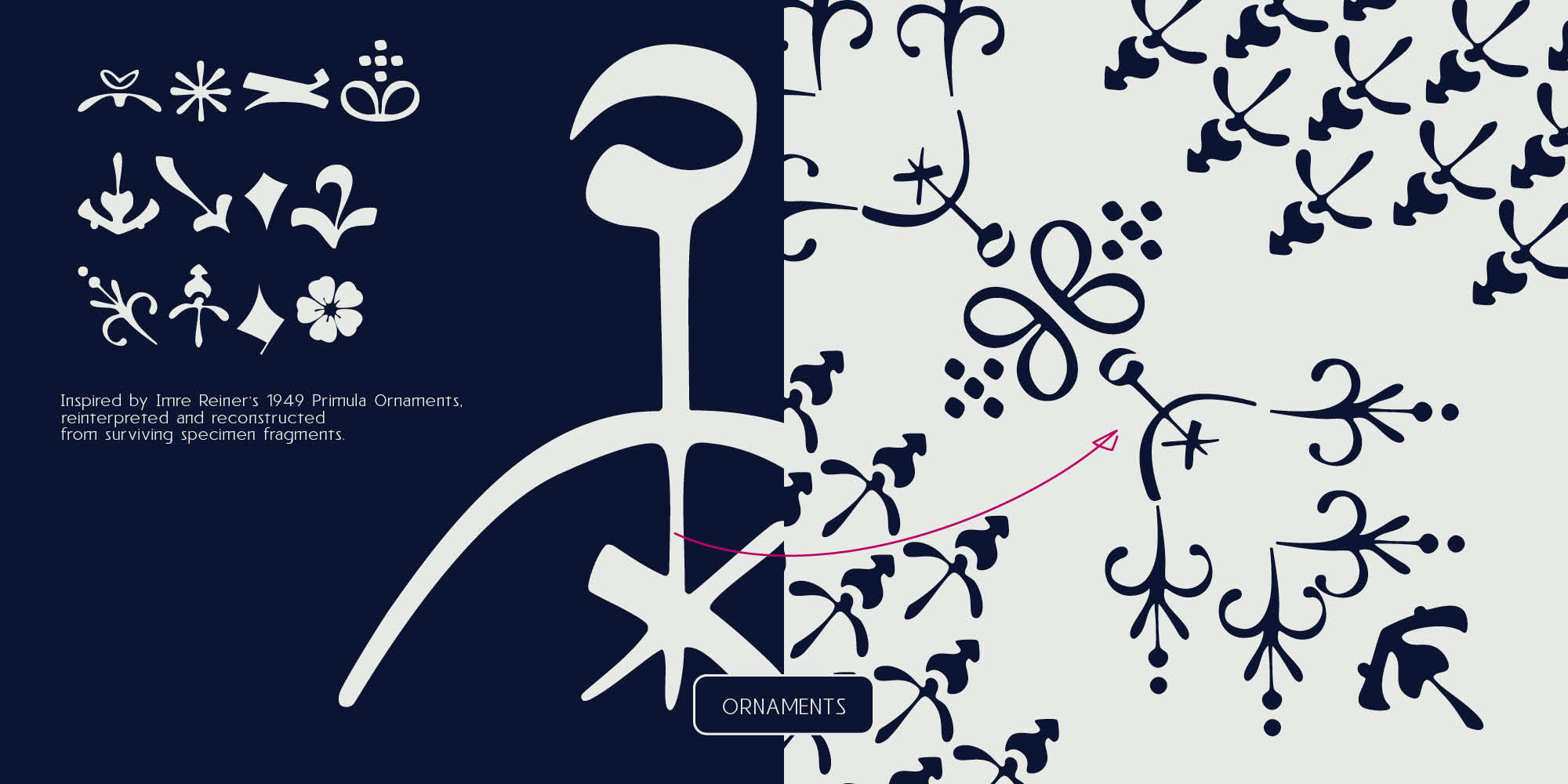
Primula Ornaments: A selection of ornamental elements from Imre Reiner’s Primula, often referenced as the Amsterdam Primula ornaments (1949), has been subtly integrated into the Reiner Neue family. These forms appear as restrained accents within the system, extending its expressive range without disrupting its typographic clarity.
A system, not a collection
Taken together, Reiner Neue, Reiner Neue Meridian, and Reiner Neue Initials form a typographic system built across time rather than styles. The project moves from early modernist industrial typography to contemporary digital use without treating history as a constraint. Instead, historical reference becomes a tool — informing proportion, rhythm, and structure, not dictating appearance.
Typography does not gain relevance by repeating the past. It gains meaning when historical ideas are allowed to re-enter the present with intention.